 07538 789777
  nigel@ukhypnosisandcoaching.co.uk


 07538 789777 nigel@ukhypnosisandcoaching.co.uk
Hypnotherapy for Fears & Phobias Welwyn, Hertfordshire, surrounding counties and online
Hypnotherapy for Fears & Phobias in Hertfordshire
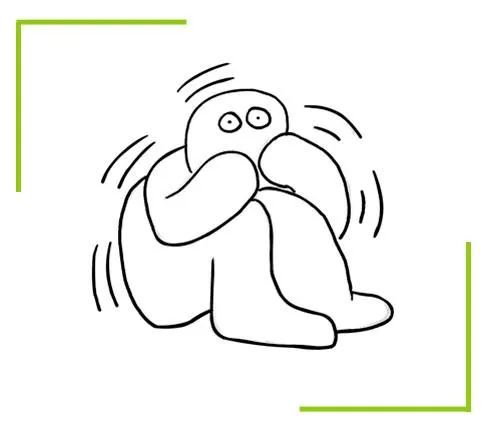
Fears and phobias can feel overwhelming—often far beyond what seems rational.
You may already know that the fear doesn’t make sense, yet your body still reacts with:
anxiety or panic
avoidance
a strong urge to escape
This is because phobias are not driven by logic, but by learned emotional responses.
What Is a Phobia?
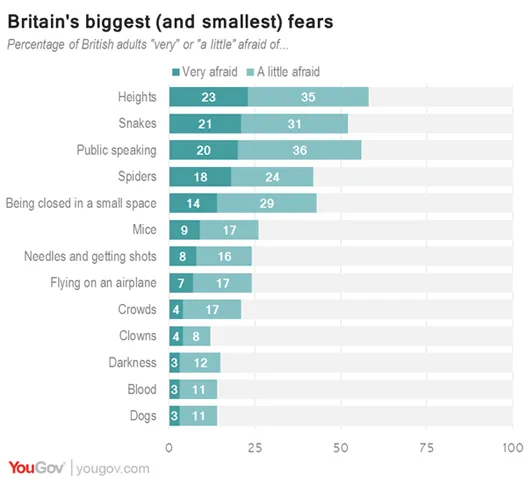
A phobia is an intense and often automatic fear response to a specific situation, object, or experience.
It can include:
fear of flying
fear of driving
fear of enclosed spaces (claustrophobia)
fear of open or crowded spaces (agoraphobia)
fear of being trapped (cleithrophobia)
These responses can become strong enough to interfere with everyday life.
Phobias are more common than most people think — and they are usually learned responses, not something you’re born with.
How Phobias Develop
We are born with only a small number of natural fears, such as loud noises and falling.
Most other fears are learned over time.
They can develop through:
a past experience or traumatic event
observing others’ reactions
repeated anxious thinking
an initial sensitising event (often earlier in life)
Once formed, the brain links the situation with danger—even when no real threat exists.
Why the Fear Feels So Strong
Phobias are driven by the unconscious mind.
This means:
the response happens automatically
it bypasses logical thinking
it triggers physical reactions (heart rate, breathing, tension)
This is why simply “telling yourself to relax” often doesn’t work.
The Link Between Phobias, Anxiety and Panic
Many phobias are closely connected to:
anxiety
panic attacks
avoidance behaviours
For example:
fear of being trapped can link to panic
fear of public places can develop after panic attacks
fear of driving or flying often involves loss of control
You can learn more about this here:
How Hypnotherapy Helps with Fears & Phobias
Hypnotherapy works by changing the automatic emotional response linked to the fear.
Using a combination of:
hypnotherapy
conversational techniques
NLP (Neuro Linguistic Programming)
I help you:
reduce the intensity of the fear response
feel calmer in previously triggering situations
break the cycle of avoidance
regain a sense of control
Rather than forcing yourself to face fear, the goal is to change how your mind responds to it.
From Avoidance to Confidence
One of the biggest impacts of a phobia is avoidance.
This can limit:
travel
work opportunities
social situations
everyday activities
As the fear response reduces, people often find they can:
approach situations more calmly
feel less restricted
regain confidence in areas of life that were previously avoided
Who Is This For
This approach is suitable if you:
have a specific fear or phobia
avoid certain situations because of anxiety
experience panic linked to particular triggers
feel your fear is holding you back
What to Expect from Sessions
Sessions are tailored to your specific fear or phobia.
We will typically:
explore how the fear developed
identify the patterns maintaining it
begin changing the emotional response
reinforce calmer, more balanced reactions
The process is designed to feel gradual, safe, and manageable.
FAQs About Hypnotherapy for Phobias
Can hypnotherapy help with phobias?
Yes, hypnotherapy can be very effective for phobias by changing the automatic emotional response associated with the fear.
How many sessions does it take to overcome a phobia?
This varies depending on the individual and the type of phobia, but many people notice improvements within a small number of sessions.
What causes phobias?
Phobias often develop from past experiences, learned behaviour, or repeated anxious responses that become automatic over time.
Can this help with fear of flying or driving?
Yes, hypnotherapy is commonly used to help with fears such as flying, driving, and other specific situations.
Is the fear completely removed?
In many cases, the intensity of the fear is significantly reduced or eliminated, allowing you to respond more calmly and confidently.
Is hypnotherapy safe?
Yes, hypnotherapy is a safe and natural approach that works with your mind to create positive change.
If you're looking for a professional hypnotherapy for anxiety in Welwyn, Hertfordshire, surrounding counties or online, you can book a session below.
Support for Your Journey — In Sessions or On Your Own
Whether you’re working with me directly or exploring things at your own pace, having the right tools can make a real difference.
The Inner States Therapy App is a powerful visual tool designed to help you understand your internal patterns, reduce overwhelm, and create meaningful change — wherever you are in your journey.
It can be used as a starting point for those new to this kind of work, or alongside sessions to deepen and support the process.
Explore the Inner States Therapy App: www.innerstatestherapy.com

Who I Help
People experiencing:
Anxiety
Panic attacks
Overthinking
Phobias
Stress-related issues
How I Help
I use hypnotherapy and conversational techniques to help change the underlying patterns behind anxiety,
allowing clients to feel calmer,
more in control,
and less affected by intrusive thoughts
and physical symptoms.
Address
Address: 26 Marlborough Close
Welwyn Herts AL6 0UG
Email: nigel@ukhypnosisandcoaching.co.uk
Phone: 07538 789777
Quick Links
© 2024 UK Hypnosis & Coaching


tNigel Edwards – Hypnotherapist for Anxiety, Panic & Overthinking in Hertfordshire